Medically reviewed by Dr. Karishma Mayer, Specialist Prosthodontist · Last reviewed September 27, 2026
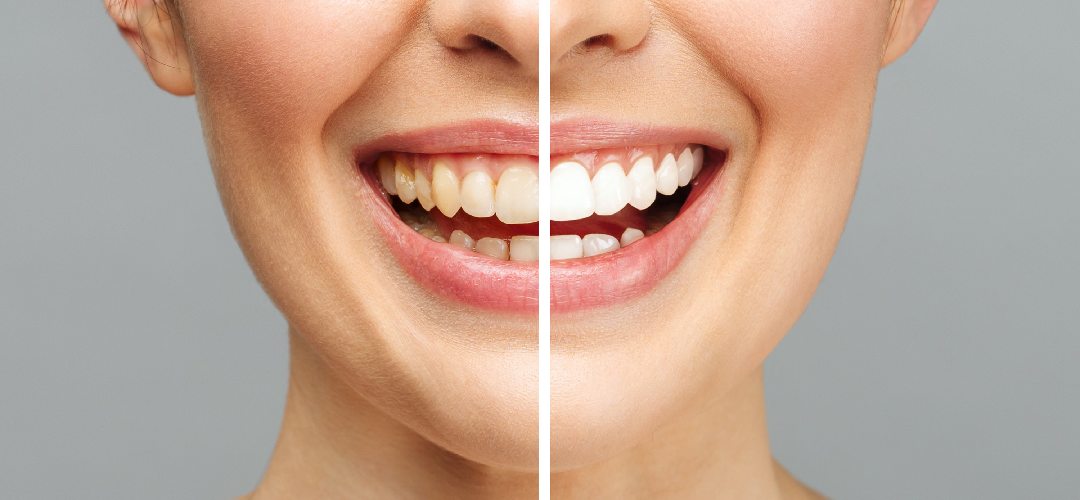
A chipped tooth, a small gap, stubborn discolouration that whitening will not shift — there is more than one way to fix it. Two of the most popular cosmetic options in Dubai are composite bonding and dental veneers. Both can transform a smile, but they work in very different ways, and one is not automatically better than the other.
Understanding how they compare will help you have a much more productive conversation with your dentist. Here is a clear, side-by-side look at both.
What Is Composite Bonding?
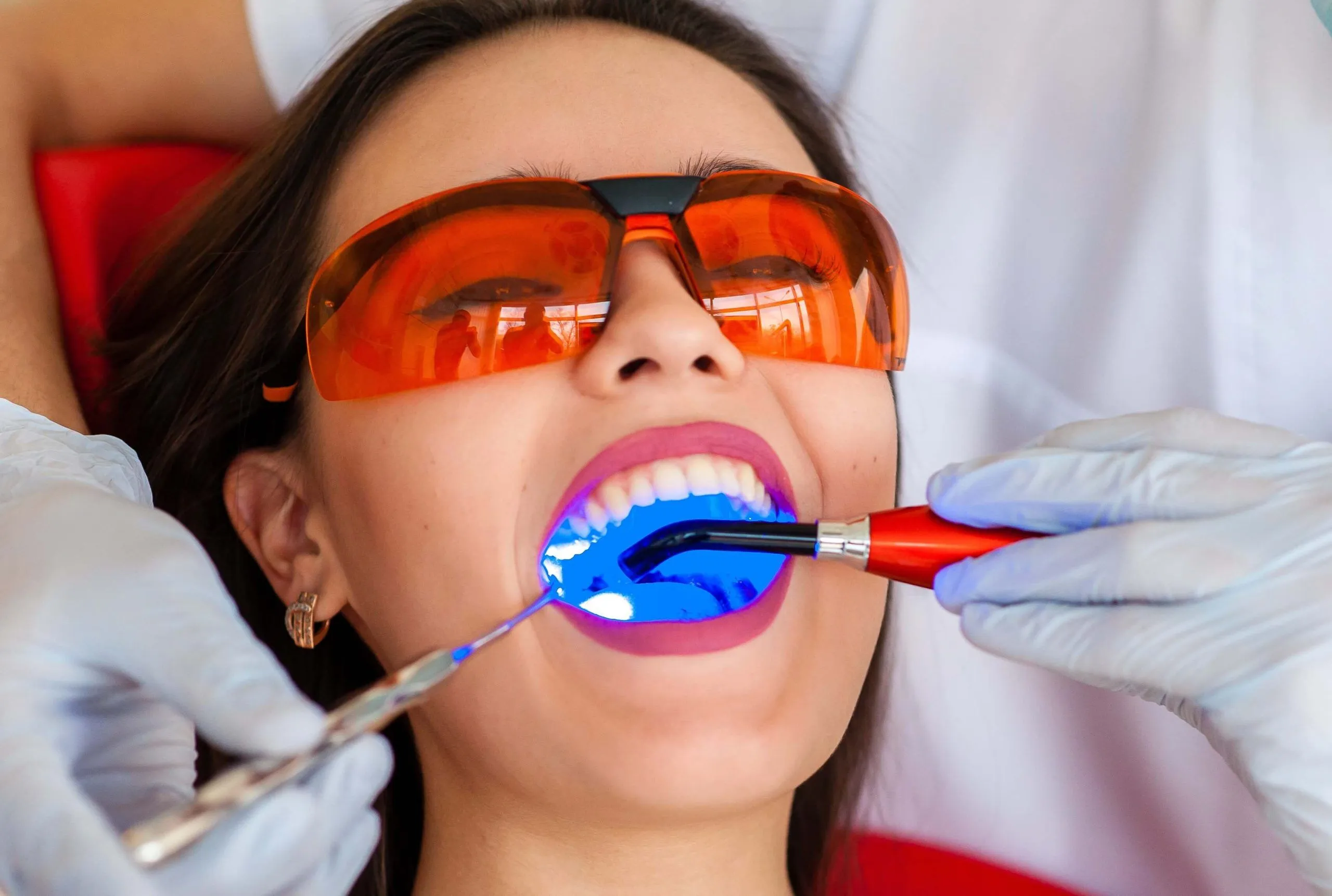
Composite bonding uses a tooth-coloured resin that your dentist applies directly to the tooth, shapes by hand, and then hardens with a special light. It is usually completed in a single visit, requires little or no removal of natural enamel, and is often reversible. Bonding is ideal for smaller cosmetic fixes: minor chips, small gaps, slight reshaping, and improving the look of a discoloured tooth.
What Are Dental Veneers?
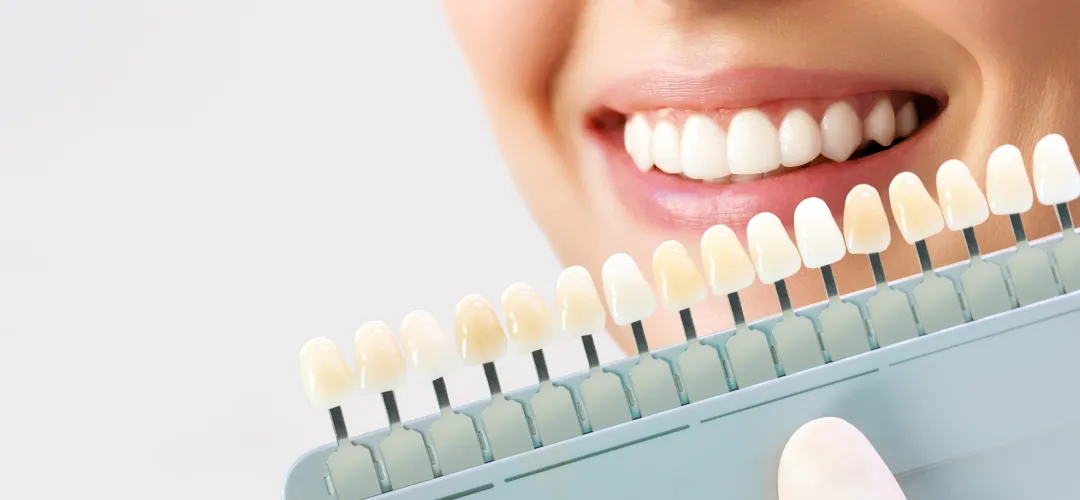
Veneers are thin, custom-made shells — most commonly porcelain — that are bonded to the front surfaces of your teeth. They are crafted in a dental laboratory and usually require a small amount of enamel to be removed so they sit flush and natural. Veneers are highly durable and stain-resistant, and they are the go-to choice for a more dramatic, full smile makeover (the classic “Hollywood smile”).
Composite Bonding vs Veneers: The Key Differences
Procedure and time
Bonding is typically done chairside in one appointment. Veneers usually take two or more visits — one to prepare the teeth and take impressions, and another to fit the finished shells.
Durability and lifespan
Porcelain veneers generally last longer and resist staining better. Bonding has a shorter lifespan and can chip or stain over time — but the upside is that it is quick and inexpensive to repair or refresh.
Tooth preparation
Bonding usually involves minimal or no permanent change to the tooth, making it a more conservative and often reversible option. Veneers involve removing a thin layer of enamel, which means the change is permanent.
Appearance
Both look natural when done well. Porcelain veneers have a slight edge in translucency and are excellent for comprehensive makeovers, while bonding is superb for subtle, targeted improvements.
Cost
Composite bonding is generally the more affordable option, while veneers are a larger investment that reflects their durability and custom laboratory work. Your dentist can talk you through the costs for your specific case.
A Word of Caution on Cheap Veneers Abroad
Ultra-cheap veneer packages overseas — sometimes nicknamed “Turkey teeth” — have become hugely popular online, but they come with real risks. To fit a large number of veneers or crowns quickly and cheaply, healthy tooth structure is sometimes filed down aggressively, which cannot be undone. Add in ill-fitting work and the lack of any local follow-up if something goes wrong, and a bargain can become an expensive, painful problem.
If you are considering veneers, prioritise the expertise of the dentist and the quality of aftercare over the headline price. Your smile is worth getting right the first time.
So, Which Should You Choose?
The right choice depends on your goal (a subtle fix versus a dramatic change), your budget, how much you want your teeth to change, whether you prefer a reversible option, and the current condition of your teeth. Only an in-person assessment can give you a firm answer — and often a combination of treatments gives the best result.
Caring for Your New Smile
Whichever option you choose, good habits keep it looking its best for longer. Brush and floss as you normally would, keep up your regular dental check-ups, and avoid using your teeth to bite hard objects like pens or ice. If you grind your teeth at night, a custom night guard is a worthwhile way to protect your new smile.
Watch what stains
Coffee, tea, red wine and smoking can dull both bonding and the edges of veneers over time. Porcelain veneers resist staining better than composite bonding, but mindful habits keep either looking fresh. It is also worth knowing that whitening products do not change the colour of bonding or veneers, so any whitening is best done before the work is placed.
Who Is a Good Candidate?
Both bonding and veneers work best on a healthy foundation. If you have active tooth decay or gum disease, those are treated first so your cosmetic result lasts. A consultation lets your dentist check the health of your teeth and gums, understand what you want to achieve, and recommend the safest, most natural-looking route to get there.
How Apex Can Help
Our cosmetic dentistry team will assess your smile, talk through realistic options, and help you decide between bonding, veneers, or a tailored combination. We can also show you a preview of your potential result with digital smile design before any treatment begins, so there is no guesswork.
Frequently Asked Questions
Is composite bonding better than veneers?
Neither is universally better. Bonding is minimal, affordable and often reversible — ideal for small fixes. Veneers are more durable and stain-resistant — ideal for bigger, longer-lasting transformations.
How long does composite bonding last?
With good care it can last several years. It may chip or stain over time, but it is easy and inexpensive to repair or refresh.
Does getting veneers hurt?
Most patients feel little to no discomfort. Local anaesthetic can be used during preparation to keep you comfortable.
Can I switch from bonding to veneers later?
Often yes. Because bonding usually preserves your natural tooth, it does not rule out veneers in the future.
Which option lasts longer?
Porcelain veneers typically last longer than composite bonding and hold their colour better.
Do veneers or bonding stain over time?
Porcelain veneers are highly stain-resistant. Composite bonding can pick up staining over the years from coffee, tea, red wine and smoking, though it is easy to polish or refresh.
Can I whiten my teeth if I have veneers or bonding?
Whitening does not change the colour of veneers or bonding, so it is best done beforehand. Your dentist can then match the new work to your whitened shade.
Book Your Appointment at Apex Dental Clinics Dubai
Book a cosmetic consultation and we will help you choose the right option for your smile.
- Dubai Motor City: +971 4 360 8881
- Jumeirah Village Circle: +971 4 240 7333
- Dubai Silicon Oasis: +971 50 220 8412
- Email: enquiries@apexmedicalclinics.com
Or book your appointment online at www.apexmedicalclinics.com.
Worried about the cost? We offer flexible ways to pay: a 0% Easy Payment Plan (EPP) through Emirates NBD Credit Cards on treatments above AED 1,000, plus Buy Now, Pay Later via Tabby and Tamara with no minimum spend (conditions apply). Many insurance plans contribute too.