Medically reviewed by Dr. Akansha Sonawane, Specialist Periodontist · Last reviewed September 27, 2026
What Commonly Causes Swollen Gum?
- 1. Something lodged in the gums: Objects from foreign like the popcorn hull can get entrapped in the gums causing irritations and swelling.
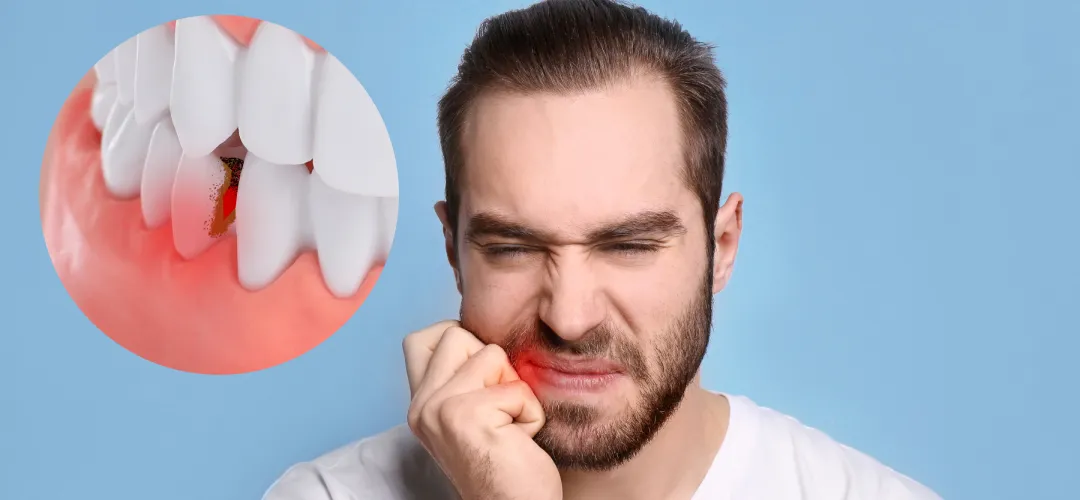
- 2. Abscessed tooth: Pus accumulation as a result of an infection at the root of teeth can swell, cause pain and be inflammatory.
- 3. Poorly fitting dentures: Wobbly dentures can cause friction and irritation on the gums leading to swollen ones.
- 4. Any orthodontic treatment: Unexpected, but braces or other orthodontic treatment can sometimes make proper oral hygiene difficult to achieve, in turn speeding germ-build up that leads to gum swelling.
- 5. Tooth decay: Besides diseases, gums may get inflamed due to cavities or decay in teeth.
- 6. Infected tooth: Infection within a tooth may result in localised swelling and pain.
- 7. Root fracture: Breakage or fracture of a tooth’s root can lead to inflammation and swelling in the surrounding gums.
- 8. Unmanaged diabetes: In poorly controlled diabetes, gum health may be affected causing it to swell and other problems.
- 9. Smoking or tobacco use: Tobacco products can lead to gum disease with inflammation and swelling.
- 10. Hormonal changes (puberty, pregnancy, menopause): Hormone changes can affect gums causing swelling and increased sensitivity.
- 11. Heavy Tartar Buildup: Tartar on teeth due to unaddressed swelling in the gums.
- 12. Tooth Mobility or Loss: If gum disease is not treated properly, it can result in tooth mobility or eventual loss.
Swollen Gums: 7 Early Signs of Gingivitis
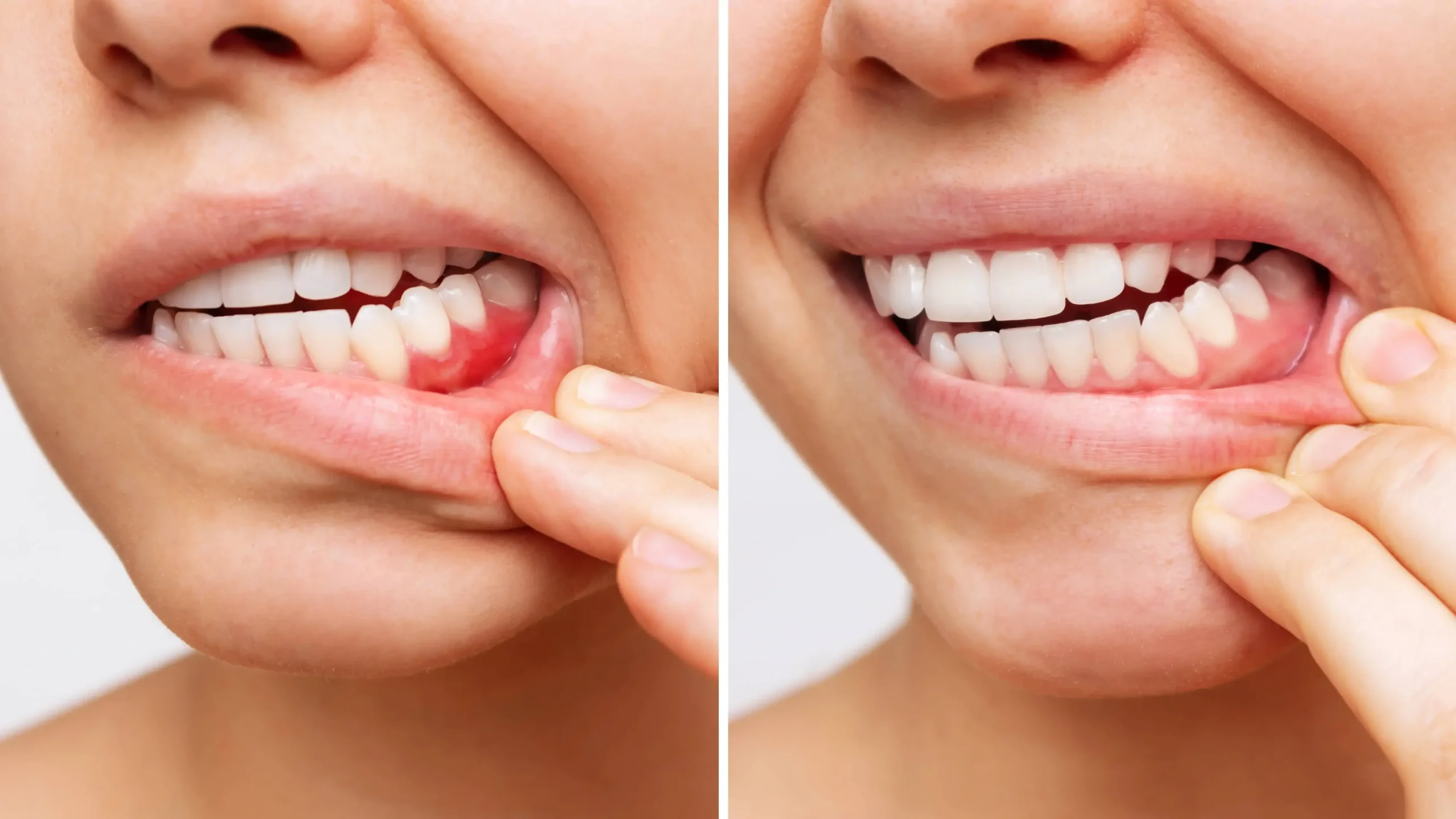
- 1. Redness: The gums are not their normal pink colour but red.
- 2. Swollen, Sensitive Gums: Inflamed and painful gums- the sole characteristic of gingivitis.
- 3. Bleeding: Gums can bleed especially when brushing or flossing.
- 4. Trench mouth: Severe gingivitis, caused by painful gums that bleed and ulcerations; usually accompanied by poor oral hygiene.
- 5. Bad Breath (Halitosis): Chronic bad breath can emanate from the bacteria that inhabit swollen gums.
- 6. Receding Gums: Gums may begin to recede from the teeth, hence making them look longer.
- 7. Changes in Tooth Position: Teeth may not fit in gums as well, which can make changes in teeth alignment.
Treatment for Swollen Gums
Frequently Asked Questions
- 1. Is my medication responsible for swollen gums?
Don’t seek answers from the internet, instead directly talk to your dentist about it.
- 2. Are there any lifestyle changes to improve gum health?
Good oral hygiene practices, a balanced diet as well as avoiding tobacco can have positive effects on gum health.
- 3. When should I visit a dentist or periodontal for swollen gums?
Gum swelling that persists for more than two weeks requires prompt dental attention to prevent potential complications.
- 4. Is it possible that hormone fluctuations are behind my gums becoming swollen?
During puberty, pregnancy and menopause gums may swell due to hormonal fluctuations.
- 5. Is it normal for the gums to be swollen if there are braces?
Braces can also make oral hygiene difficult which in turn raises the possibility of inflamed gum. Proper care and advice from your dentist may help.
- 6. Can swollen gums around one tooth be the result of a dental abscess?
Dental abscesses can be periapical, and periodontal and cause localised swelling around one tooth from which prompt dental attention is needed.
- 7. What conditions of health might be associated with swollen gums?
Conditions like diabetes, vitamin deficiencies and infections may lead to swollen gums. A healthcare provider should investigate further.
- 8. Can swollen gums go away on their own?
While some causes can resolve swelling on their own, persistent or severe cases especially those related to gum disease should be addressed by a professional.
It should be noted that gingivitis is a reversible condition if there are proper oral hygiene practices put in place that involve regular brushing, flossing and professional dental cleaning at the dentist’s premises. If left undiagnosed and untreated, gingivitis may escalate into more severe types of gum disease such as periodontitis which can result in serious damage to the gums and structures that support the teeth. Hence, early detection and prompt treatment are essential for the preservation of good oral health. However, sore gums may also be indicative of multiple health reasons (other than gum disease) including diabetes, hormonal changes or nutritional deficiencies.